How AI affects communication and marketing
Generative Artificial Intelligence (AI) is an exciting technology that is revolutionizing various fields, including communication and marketing. By using advanced algorithms and machine learning, generative AI enables computers to create unique content such as images, text and music. Something that was previously limited to human creativity.
In this blog post, we will take a closer look at generative AI. What is it, how does it work, and most importantly, how is it changing the landscape for all of us working in communications and marketing?
What is Generative Artificial Intelligence?
Generative AI is about using machine learning to create new and original content. Instead of replicating or duplicating existing material, generative AI models can create something completely new. By training on large amounts of data, AI can generate new patterns, images or texts that are similar to the original data. Put simply, AI is a computer that has been given creative abilities and can produce something completely new based on what it has learned.
How does it work?
Generative AI is based on generative models, which are usually neural networks. These models are trained on large datasets and learn patterns and structures in the data. Once the model is sufficiently trained, it can be used to generate new content. This is done by the user entering values and letting the model create something based on those values. By experimenting with different parameters, the user can influence the result and produce different variations.
How does it affect communication and marketing?
Although Generative AI is still in its infancy, it has already started to influence the way we communicate and market. By using generative AI tools, marketers can create unique and engaging content that stands out from the crowd, or at least simplify the process from idea to finished content.
There are several programs and apps for generative AI, below we have listed some of the most common ones:
DeepArt.io: Uses generative AI to transform photographs and images into different art styles. By uploading an image, users can select different artistic filters and have their image transformed into a work similar to a famous artist's style.
RunwayML: A software that allows users to experiment with different generative AI models, creating everything from images and music to text and video. The software offers a variety of tools and models to create innovative marketing campaigns.
ChatGPT: ChatGPT is an advanced generative AI model developed by OpenAI. It is trained on huge amounts of text data and can be used to generate natural-sounding text based on given prompts or questions. For marketers and communicators, this can be a useful tool to create the basis for engaging and personalized content such as blog posts, social media posts or product descriptions.
StyleGAN: This is a generative AI model that specializes in generating realistic images. It has been used in artistic projects, and also to create "deepfake" images that can be both exciting and controversial. In marketing, StyleGAN can be used to create realistic product images or to visualize concepts for marketing campaigns.
Jukedeck: A generative AI platform for music creation. Jukedeck uses AI to generate unique music that can be used in different contexts, such as background music for videos or advertising jingles. Jukedeck can be very helpful in quickly creating musical elements that reinforce the marketing message.
What are the challenges?
Generative AI presents many opportunities for you as a marketer, but also several challenges. One of the biggest challenges is maintaining authenticity and privacy. When AI creates content, it can be difficult to determine whether it is generated by a human or a machine, which can lead to questions of trust and credibility. Therefore, it is important to always clearly communicate when generative AI is used, while being transparent about how it affects the origin of the content.
Generative AI also comes with a range of ethical considerations. How should data protection, fairness and liability issues be handled when it comes to generative AI? Here it is important to be transparent and clearly state that the content is generated using AI. This helps to build trust and credibility.
These challenges have already led to several copyright disputes. For example, Getty Images has sued Stable Diffusion for training its AI on their images. It is still very unclear what the rules are, but generally speaking, it is difficult to take ownership of images generated by AI. This means that if you use AI to create a unique image, you do not own the rights and your competitors have the right to use the same image in their activities.
What are the opportunities?
Despite the challenges, generative AI also offers great opportunities. By exploring the tools, you as a marketer can easily and quickly experiment with different creative concepts, find new aesthetic directions and create exciting campaigns. Generative AI is perfect for creating the basis of textual content for your website or images for your social media. Just remember to be clear about what you want. The more information you provide around the outcome, the better the AI can deliver. And remember, you don't own the images generated. Others can use them too.
For example, a marketer can use generative AI to create customized ads for different audiences. By inputting specific parameters such as age, gender, geographical location and interests, AI can generate ads that directly appeal to the target audience. This not only saves time and resources, it also increases effectiveness and engagement.
Generative AI can also be used to create interactive content that interacts with users. For example, AI chatbots can provide a more personalized and authentic experience for users. These chatbots can understand and answer questions, make recommendations and offer support in a way that resembles human interaction. A way to improve the customer experience and strengthen brand relationships.
There are many apps and platforms for AI, but perhaps the most important benefit right now is when AI is present and complements the capabilities of existing software and services that we use. For example, AI makes it possible to remove elements in images and extend images by AI generating suggestions. ChatGPT is available as a Chrome Extension and gives you the opportunity to quickly get a summary of the websites you visit. To name a few examples.
What is important to consider?
It is important to remember that generative AI is not a replacement for human creativity or expertise. Instead, it can be seen as a complement - a way to improve and streamline the marketing process. Therefore, before you start using generative AI, it is important that you have a strategy and a clear purpose for its use.
As a marketer, it is important to keep up to date with the latest developments in generative AI and constantly explore new possibilities so that you can benefit from it in the creative process.
What conclusions can we draw?
The conclusion is that generative AI is a groundbreaking technology that will change the rules of the game for those of us working in communications and marketing. By using advanced algorithms and machine learning, generative AI can create unique content and allow us to work both faster and more efficiently.
To succeed in the use of AI, the most important thing is to dare to test and learn along the way. By being aware of the risks and challenges, it will be easier to navigate the field and create materials and strategies that really work.
For those of us in the communications industry, this is an exciting time where creativity meets technology, and generative AI will be an important key to shaping the future.
Good luck on your journey with generative AI!
We thank ChatGPT for valuable input to this blog post.


Related posts

5 principles for B2B growth
Brand-building or sales-driving communication - what really drives growth? We often hear companies questioning the value of investing in brand-building communication. Many prioritize sales-driving activities that generate short-term leads and quick deals rather than building long-term value. But what is it that creates the best growth over time? We set out to find the answer to the question that has divided marketers throughout history.

Strengthen your employer brand and recruit easier with Teamtailor
Having a strong employer brand has become increasingly important. For many companies, new talent is one of the most important factors for continued growth and success. With the help of the digital recruitment solution Teamtailor, it is easier than ever to both strengthen your employer brand and attract new employees.
How AI works and how you can use it as a marketer
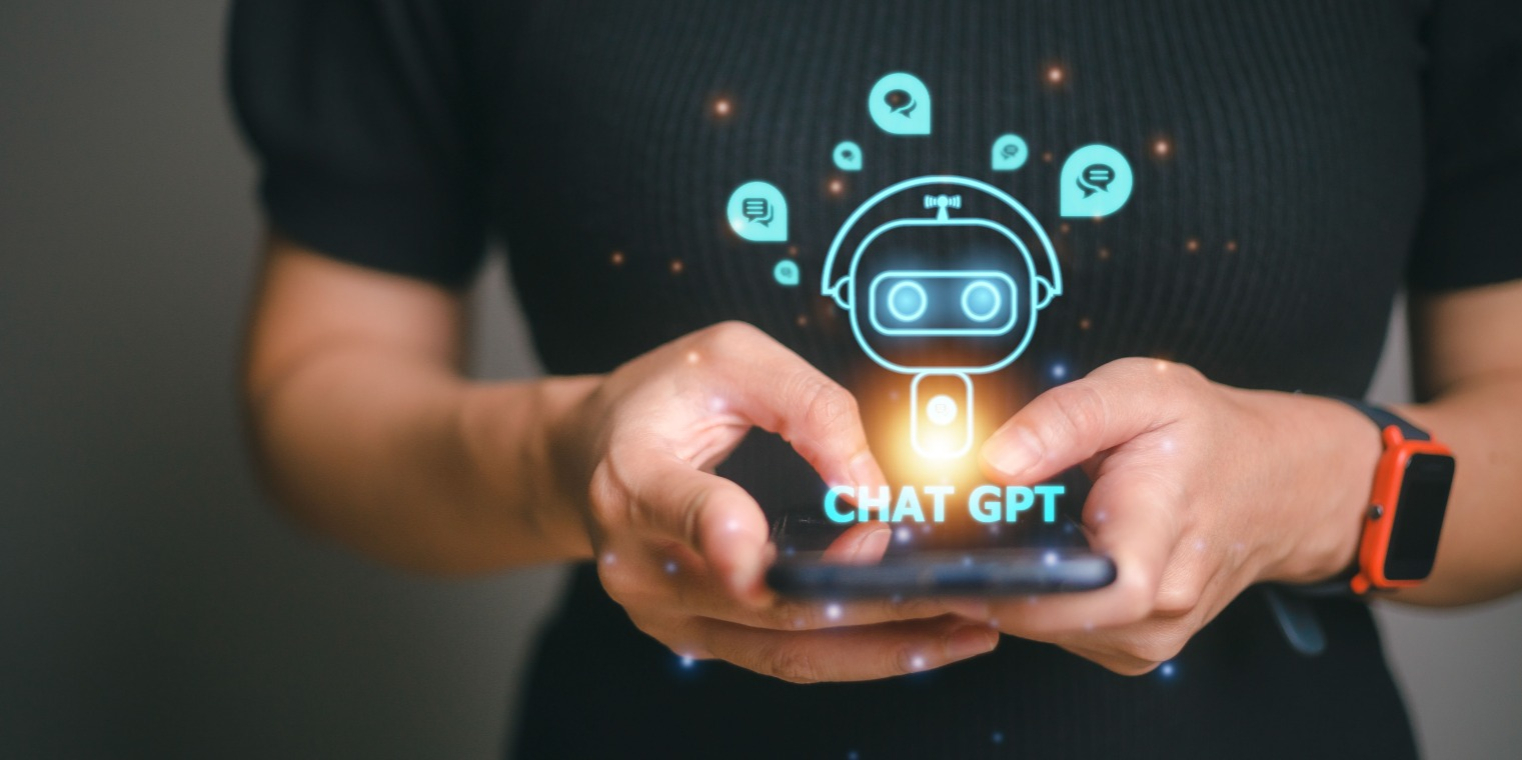
Unless you've been living under a rock for the past few months, you've probably heard of Chat GPT. The AI-based chatbot that can provide you with everything from dinner recipes to full-scale factual texts and Excel formulas. But as a marketer, how can you make the most of this technology that's currently on everyone's lips? We've looked into it.