2025 is the time for physical experiences again
The digital world. Sometimes we love it. Sometimes we hate it. Today, almost all of us have a two-way relationship with online life. The web has become an easily accessible smorgasbord where anything is possible, 24/7, a click away. At the same time, this presence often comes at a high cost - digital fatigue and frustration. It's time for a return to the more physical experience.
Physical retail is developing
In an era dominated by e-commerce and digital experiences, it is easy to assume that physical retail is in decline. However, the reality is far from it. Physical retail continues to thrive, evolve and offer unique benefits and experiences that online shopping simply cannot replicate.
Perhaps it's time for those responsible for marketing to return to their roots? In 2025, offline experiences are expected to become a central part of the game. In an effort to overcome customer digital fatigue and constant ad feeds, marketers and creatives will look to return to the more tangible. Brands will increasingly invest in creating offline touchpoints that interact with customers on a personal level. Physical experiences and events will play a crucial role in this strategy, helping to establish deeper connections and memorable moments.
Online meets offline in seamless symbiosis
You may be thinking that this will make your digital marketing department redundant, but fear not because the bridge between the two is called O2O (online-to-offline) experiences. By creating effective O2O activities online, digital marketers will create a conversion funnel that ends in an in-store experience. In the wake of AI, both customers and agencies have realized the importance of the human aspects of the buying process. People want to use all their senses, and since online campaigns only appeal to select parts, the physical adds another dimension that results in faster conversion. This is especially true for products that require a longer decision-making process before the purchase is made, such as cars, kitchenware, insurance, houses and so on. Digital strategists have been trying for years to simulate the physical to stimulate our senses in their ads, but despite their efforts, it is difficult to mirror the feel of leather or wool on your skin, or the smells of a new car interior.
Physical moments that surprise
From exciting events and interactive product demonstrations to personalized gifts and one-on-one interactions, there are a variety of strategies that can make your brand stand out in a saturated market. By understanding the importance of engaging all the senses, delivering exceptional customer service and creating moments that surprise and delight, you can build strong emotional bonds with your audience. And when you do, loyalty comes like a letter in the mail. Physical stores can create engaging and social experiences that go beyond the purchase itself. Retailers can design captivating store layouts, incorporate interactive displays and organize events to activate customers on multiple levels. Offline retail environments can be transformed into social hubs where customers can connect with others, participate in workshops or attend product demonstrations, fostering a sense of community and improving the overall shopping experience.
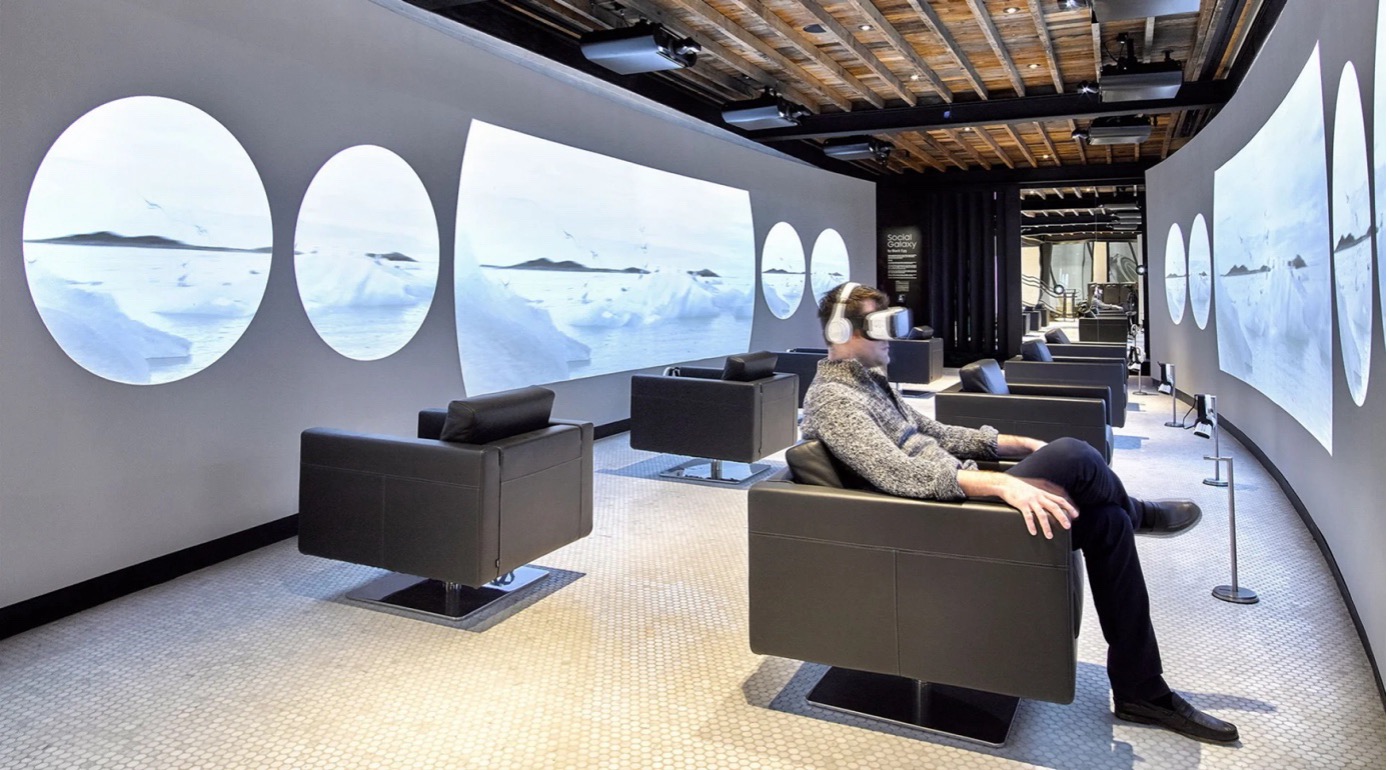
Traditional sales channels are evolving into experiential destinations where customers interact with physical products in immersive ways. From interactive displays and sensory elements to live demonstrations that create memorable experiences around the brand that in turn drive traffic and increase customer engagement and loyalty.
Example
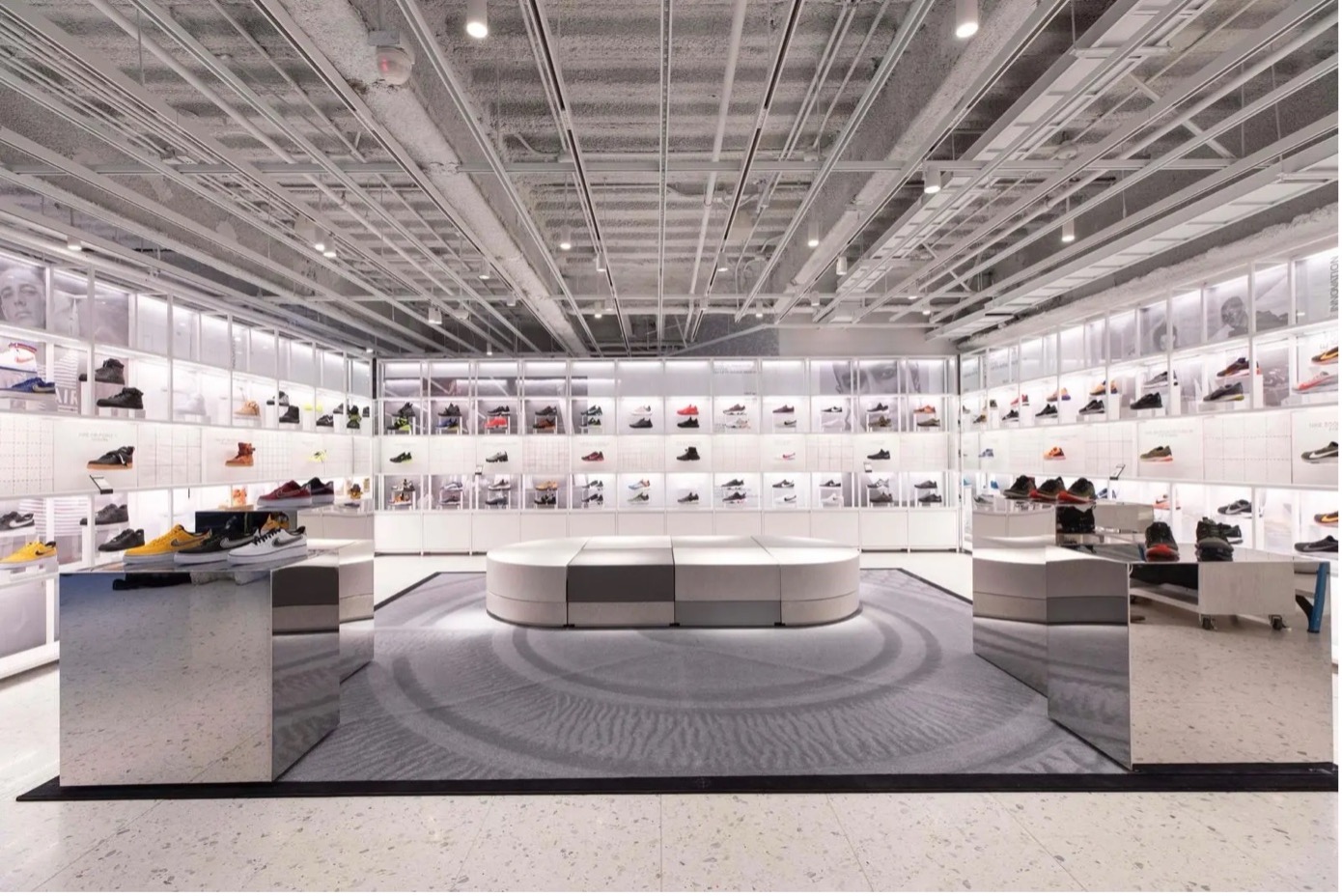
- The Nike House of Innovation in New York integrates digital elements with physical retail, offering personalized shopping experiences and exclusive products.
- Samsung 837 in New York is not just a store but a cultural hub where customers can interact with the latest technology.
Important conclusion
The future of positive customer journeys lies in the seamless integration of online and offline experiences, driven by innovative technologies and customer-centric strategies. By embracing augmented reality, virtual reality, experiential retail concepts and omnichannel integration, companies can create immersive, personalized and memorable journeys that drive engagement and loyalty. As the marketing landscape continues to evolve, adaptability and innovation will be key to success in meeting customers' ever-changing needs and preferences. And the key to success may well be to become more physical once again!

Related posts

Strict rules and hidden pitfalls: the challenges of marketing medicinal products in Sweden and the Nordics
The marketing and communication of medicinal products in Sweden and the Nordic countries is strictly regulated to ensure that the information is factual, balanced and not misleading. This regulatory framework aims to protect both healthcare professionals and the general public from potentially harmful or misleading information. In Sweden, the Swedish Association of the Pharmaceutical Industry (Lif) plays a central role in providing and monitoring compliance with the Ethical rules for the pharmaceutical industry in Sweden (LER). Here we have summarized some of the most important guidelines.
Is print on its way back?
While our digital inboxes are flooded with advertisements, notifications and reminders, our physical mailboxes often echo empty. But is print advertising about to make a comeback?

Take your text from sketch to polished gem
Writing a text can be easy... but also very difficult. Sometimes you can struggle with the wording of even a simple email or social media post. More complex texts, such as an article, a report or even a book, can take a long time. Imagine how good it feels when you have finally put the finishing touches. Now the text is finished, ready to be published.
Wrong. This is where the real work begins.